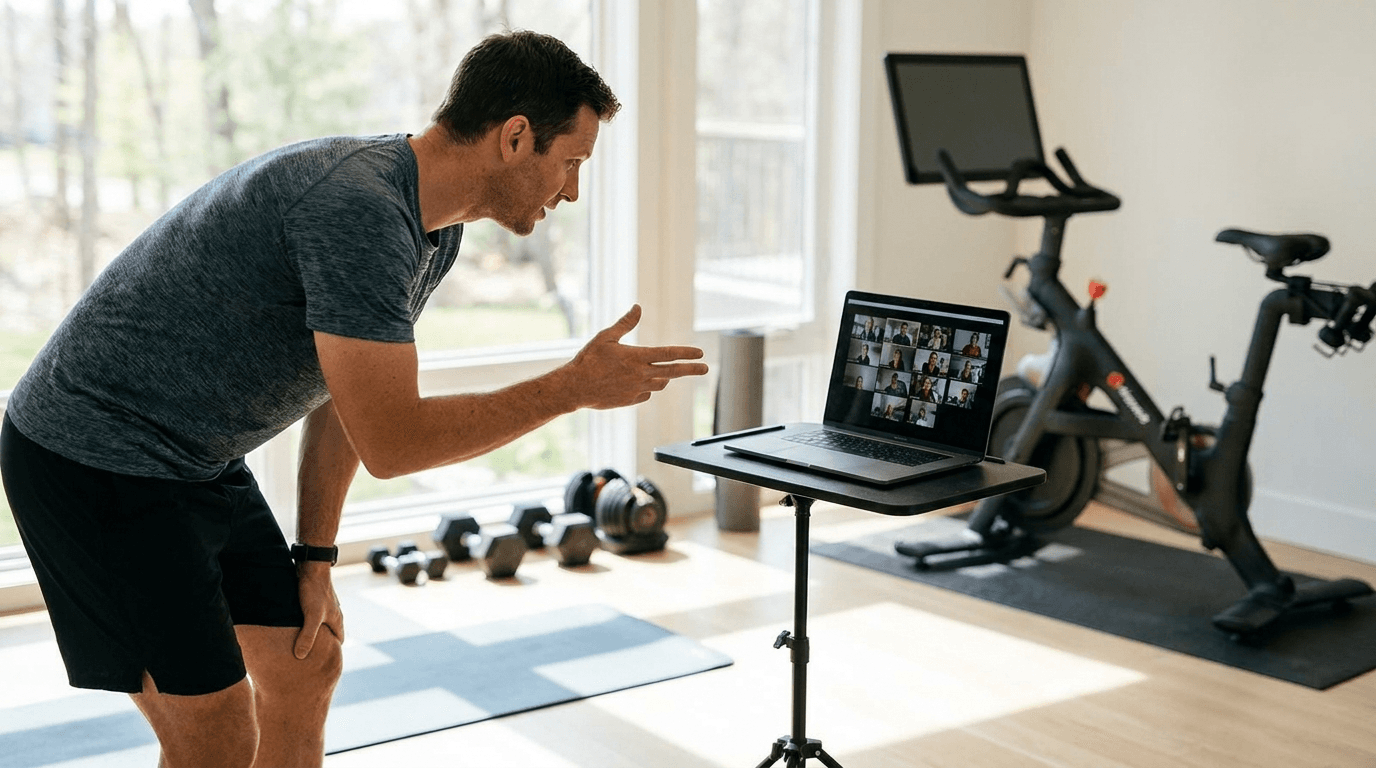
The Ultimate Guide to Personal Trainer Training
Personal trainers play a crucial role in helping individuals achieve their health and fitness goals. They are responsible for designing and implementing personalised exercise programmes, providing guidance on nutrition, and motivating and inspiring their clients. If you have a passion for fitness and want to make a positive impact on people's lives, a career as a personal trainer may be the perfect fit for you.
Personal Trainer Marylebone" />Understanding the Role of a Personal Trainer
Personal trainers play a crucial role in helping individuals achieve their fitness goals by providing personalised exercise programmes tailored to each client's specific needs. In addition to designing customised workout routines, personal trainers also act as motivators, cheerleaders, and sources of knowledge for their clients.
Key Responsibilities and Duties
A personal trainer's primary responsibility is to design customised exercise programmes for their clients based on their individual goals, fitness level, and any specific health concerns. They conduct fitness assessments to determine their client's current fitness level and track progress throughout their fitness journey. They provide guidance on proper exercise techniques and ensure clients perform exercises safely to prevent injuries. Additionally, personal trainers educate their clients on proper nutrition and adopt a holistic approach to help them achieve overall wellness.
Required Skills and Abilities
In addition to a passion for fitness, personal trainers need excellent interpersonal and communication skills to build strong relationships with clients. Personal trainers should be knowledgeable about anatomy, physiology, and exercise science, as well as familiar with various fitness equipment and techniques. They also need to be adaptable and able to modify workout plans based on their clients' needs and limitations.
The Path to Becoming a Personal Trainer
Educational Requirements
A formal education is not mandatory to become a personal trainer, though earning a degree in exercise science, kinesiology, or a related field can provide a solid foundation of knowledge. Many colleges and universities offer programmes and courses specifically tailored to aspiring personal trainers. These programmes cover topics such as exercise physiology, biomechanics, nutrition, and client assessment. Practical experience and certification are equally important.
Certification Process
Obtaining certification from a recognised organisation is essential for personal trainers as it validates their knowledge and expertise. There are various certifying bodies that offer nationally recognised certifications, such as the Register of Exercise Professionals (REPs), National Academy of Sports Medicine (NASM), and the National Strength and Conditioning Association (NSCA). These certifications require candidates to pass exams that test their knowledge of exercise science, programme design, and client assessment.
Exploring Different Personal Training Specialisations
Strength and Conditioning
Strength and conditioning training focuses on improving an individual's performance in sports and athletic endeavours. Personal trainers specialising in this area design exercise programmes that enhance muscular strength, power, speed, and agility. They work closely with athletes, helping them achieve their peak physical condition and minimising the risk of injuries.
Rehabilitation and Physical Therapy
Personal trainers with expertise in rehabilitation and physical therapy assist clients recovering from injuries or surgeries. They collaborate with healthcare professionals to develop exercise programmes that aid in the rehabilitation process. These programmes focus on improving mobility, flexibility, and overall functional fitness.
Sports Specific Training
Aspiring athletes often seek personal trainers who specialise in sports-specific training. These trainers possess in-depth knowledge of the physical demands and movements required for a particular sport and design programmes that enhance sport-specific skills and performance.
Building Your Personal Training Business
Marketing and Branding Strategies
As a personal trainer, it is crucial to establish your brand and market your services effectively. Create a professional website showcasing your expertise, certifications, and success stories. Utilise social media platforms to engage with potential clients and share valuable fitness tips. Offer free introductory sessions or consultations to attract new clients and showcase your skills.
Client Retention and Growth
Keeping clients motivated and satisfied is key to building a successful personal training business. Develop personalised workout plans and continuously challenge your clients to achieve their goals. Offer a variety of training options, such as one-on-one sessions, group classes, or online coaching, to cater to different preferences. Maintain regular communication with your clients and provide ongoing support and accountability.
Staying Current in the Personal Training Industry
Continuing Education Opportunities
The fitness industry is constantly evolving. Attend workshops, conferences, and seminars to enhance your knowledge and skills. Pursue advanced certifications or specialised courses in areas of interest to broaden your expertise. Join professional associations and networks to connect with like-minded professionals and access valuable resources.
Networking and Professional Associations
Networking plays a crucial role in professional growth. Join professional associations such as the NRPT (National Register of Personal Trainers) or the National Strength and Conditioning Association (NSCA) to connect with industry experts and peers. Attend local fitness events and build relationships with other professionals in the field.
Becoming a personal trainer requires a combination of education, certification, practical experience, and a passion for helping others achieve their fitness goals. By following this ultimate guide, you can embark on a fulfilling career that allows you to make a positive impact on individuals' health and well-being.